Whether you are a novice at the beginning of your collecting journey, or an experienced and enthusiastic collector, it’s crucial to be able to spot a genuine antique from a reproduction or a fake. From fine period furniture and vintage jewellery to antique ceramics and artwork, knowing what to look for will help you make confident, informed purchases.
If you’re searching for antiques or planning to visit an antiques centre or antiques fair, here are seven key signs that reveal the authenticity of a true antique.
1. Construction and craftsmanship
Prior to the rise of the industrial revolution, most pieces of antique furniture were handmade using traditional joinery and hand-tool techniques. Buyers should closely examine how a piece has been constructed – dovetail joints, for example, should appear slightly irregular, showing the handiwork of a craftsman rather than a machine. In furniture, screws and nails can reveal age: hand-forged nails with square heads indicate 18th- or early 19th-century origins, while perfectly uniform screws suggest modern production. The same applies to antique glass, antique ceramics, and antique silver – irregularities often indicate authenticity rather than imperfection.
Read more about how to tell if furniture is antique or reproduction.
2. Materials tell a story
Genuine antiques are made from the natural, high-quality materials that were available at the time. For instance, older furniture often features solid woods like oak, walnut, or mahogany, whereas modern reproductions may use plywood or MDF. Silver and gold items should bear authentic hallmarks (see our articles on how to read silver hallmarks and identifying gold hallmarks for more on this), while vintage glassware will have tiny bubbles or unevenness due to early manufacturing processes (what to look for in antique and vintage glassware). At Hemswell Antiques, many of our expert dealers, when on site, will be happy to explain the material composition of each item – often a valuable clue to its age.
3. Wear patterns and patina
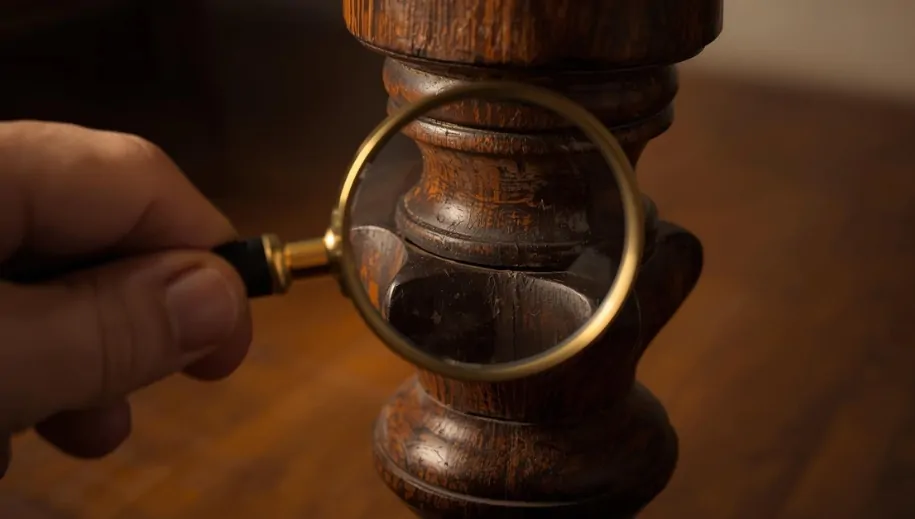
A true antique shows signs of time and use that are hard to fake. Look for natural wear in logical places – the edges of drawers, the back of handles, or the underside of a chair arm. Over decades, surfaces develop a soft sheen or patina that comes only with age. This subtle glow can add beauty and value to an antique. Be cautious of overly uniform wear or artificially applied finishes designed to imitate age. Learn everything you need to know about antique patina to help you spot a genuine antique.
4. Provenance and documentation
One of the most reliable indicators of authenticity is provenance – the item’s ownership history. Ask the seller if documentation exists, such as original receipts, previous auction records, or certificates of authenticity. A reputable antiques dealer will welcome these questions and be happy to share any available background information. Provenance can not only confirm legitimacy but also increase an item’s value and appeal.
5. Makers’ marks and signatures
From silversmiths to potteries, many craftspeople and manufacturers marked their creations with stamps, engravings, or painted signatures. These makers’ marks can often be traced back to specific workshops, artists, or eras. Be sure to inspect the underside of ceramics, the inside of jewellery clasps, or the back of paintings for any markings that could identify the creator. Cross-reference these with online databases or consult a trusted expert at Hemswell Antique Centres.
6. Beware of artificial ageing
Modern techniques can replicate old finishes and distressing, but look closely and you’ll spot the difference. Artificially aged items often have inconsistent wear patterns, chemical odours from treatments, or newly added “wormholes” that appear too regular. Always trust your instincts – if something looks too new or feels too perfect, it probably is.
7. Ask questions and learn from experts
When visiting Hemswell Antique Centres, or any reputable antiques centre, always take the opportunity when dealers are on site, to ask them about the history, materials, and craftsmanship of each piece. Our experienced sellers appreciate informed buyers and will often provide invaluable insight, as well as provenance where available. Building relationships with trusted dealers is one of the best ways to expand your knowledge and confidence.
Discover authentic antiques at Hemswell Antique Centres
Building relationships with the Hemswell dealers gives less confident collectors the peace of mind that pieces are genuine. Many of our dealers have membership of accredited organisations, including LAPADA – The Association of Art and Antique Dealers, meeting strict standards of expertise.
So, why not come and spend a day with us, and have a chat to any of the dealers on site?